
The chapter to start with
Neurodiversity, and the Conversation with the School
For parents whose child has been working harder and longer than other children to do things that come more easily to them.
11 min read
↑ ↓ to moveEnter to openEsc to close
ADHD, autism and learning differently

This covers children whose brains work differently: autism, ADHD, dyslexia, diagnoses that came early and ones still being sought, and the child whose difference hasn’t been named yet. It’s for the parent going through the long process of assessment and adjustments, and the school conversation that has gone wrong, with family life going on alongside.
What to do first and who else can help are free to read and to print.
What the library holds on neurodiversity
From the therapists
Wondering isn’t diagnosing, and asking the question doesn’t put a label on your child. Usually it opens up support that was already available.
2 on neurodiversity
The long reads, each on one situation, written by a therapist.
The chapter to start with
For parents whose child has been working harder and longer than other children to do things that come more easily to them.
11 min read
Nothing on this shelf is written for that age yet.
25 on neurodiversity
Short pieces for the moment in front of you, each with things to try.
Neurodiversity
Ask five questions before you pay, and be wary of any clinic that can’t answer them.
Try this
Neurodiversity
By bath time your child has been processing sensory input for eleven hours, and a few changes at home help.
Try this
Neurodiversity
Your child experiences the world differently from you, and it helps to find out how.
Try this
More quick tips on neurodiversity
Neurodiversity
When a friend says it’s just a phase, one short, warm sentence can close the conversation.
2 min read
Neurodiversity
Keep the evening before an assessment as much like any other evening as you can.
2 min read · Ages 5 to 13
Neurodiversity
When the same comment turns up in three years of school reports, take it seriously.
1 min read · Ages 7 to 13
Neurodiversity
Many parents feel relief, then grief, when the diagnosis they half-expected finally comes.
2 min read
Neurodiversity
A spelling list that takes two hours, however hard your child works, can be a sign of dyslexia.
1 min read · Ages 5 to 11
Neurodiversity
Ask for the meeting in a short email, and bring three to five specific examples in writing.
1 min read · Ages 5 to 11
Neurodiversity
Your child’s brain needs structure from outside, and you’re the one who has to provide it.
2 min read
Neurodiversity
An emotional meltdown and an executive-function meltdown look the same, but they need different responses.
2 min read · Ages 5 to 13
Neurodiversity
An ADHD child needs a routine that’s more visual and more forgiving, with the prompts outside their head.
2 min read · Ages 5 to 11
Neurodiversity
Brothers and sisters have usually noticed already, so tell them briefly, like any other family news.
1 min read · Ages 5 to 11
Neurodiversity
The decision about medication is yours, made with the prescribing team.
2 min read · Ages 7 to 16
Neurodiversity
When a younger child is assessed, parents often start to see the same patterns in the eldest.
2 min read · Ages 7 to 13
Neurodiversity
If an hour of maths ends with two questions done, an ADHD child has usually been working very hard.
2 min read · Ages 7 to 13
Neurodiversity
Plan supermarket trips so you leave before the noise and lights become too much for your child.
2 min read · Ages 5 to 11
Neurodiversity
A diagnosis at sixteen often brings a teenager more relief than their parents expected.
2 min read · Ages 13 to 18
Neurodiversity
Be specific when you first raise an EHCP with the school, and treat it as a partnership.
2 min read · Ages 5 to 11
Neurodiversity
For an autistic child, a change they have heard about in advance is easier to manage, so build a plan B into every plan.
2 min read · Ages 5 to 11
School & pressure
Your child held it together all day; give them food and no questions for a while, and tell the school what you see.
2 min read · Ages 5 to 13
Neurodiversity
For a child with ADHD, homework goes better in short timed blocks, one instruction at a time, with you nearby.
2 min read · Ages 7 to 13
Neurodiversity
Start soon after the diagnosis, say a little at a time in words that fit your child’s age, and treat it as the first of many conversations.
2 min read · Ages 5 to 13
Home And Belonging
Most schools have a SENCo, though most newly arrived parents haven’t met theirs.
2 min read · Ages 5 to 16
Family dynamics
You and your child’s teacher are both seeing the real child, so the meeting goes best when you compare notes.
2 min read · Ages 5 to 16
The rest of each tip, with more to try and why it works, is in the library.
Nothing on this shelf is written for that age yet.
8 on neurodiversity
Small, repeatable things to do with your child, with what to watch for and when to get help.
To do together · The first hour home
For the child who holds it together at school and comes apart at home. The first hour back asks nothing of them: something to eat, somewhere to recover, and no questions yet.
What it is for. Some children manage all day at school and let it out when they get home, where they feel safe enough to. The National Autistic Society describes this in autistic children who have spent the school day masking, which means trying to appear non-autistic, and in our work we see it in many other children as well. An hour with no questions and no jobs gives your child a chance to recover before the evening begins.
Safety. If your child has a medical condition that affects what or when they eat, such as diabetes, the after-school snack follows their care plan.
When to get help. If your child falls apart after school on most days for several weeks, it is getting worse, or they have started to dread school or say they can’t go, talk to their class teacher or the SENCo, and to your GP. If you have been wondering whether your child might be autistic or have ADHD, those same conversations are where an assessment starts. If your child tells you that someone is hurting them, that they are hurting themselves, or that they do not want to be alive, stay calm, thank them for telling you, do not promise to keep it secret, and act that day, using the routes under “If you need help right now”, at the foot of every page.
The other five steps, and your part in it, are in the library.
More to do together
To do together
A card with two pictures, the thing to do first and the thing that comes next, for a young child who finds it hard to stop one thing and start another.
About 15 min · Under 9 · With a sheet to print
To do together
Before a new class or a new school, your child tells their teacher, in their own words, what they enjoy, what they find hard and what helps. You write it down together and hand it in.
About 30 min · Ages 5 to 13 · With a sheet to print
To do together
A short list by the door, made with your child, of the things that go with them each morning. Your child ticks each one off as it goes in the bag, and you point at the list instead of reminding them.
About 20 min · Ages 5 to 16 · With a sheet to print
To do together
For a visit your child has asked for: one friend, one thing to do together, you within earshot, and a warm, clear ending.
An afternoon · Ages 5 to 13 · With a sheet to print
To do together
Before something new, such as the dentist or a new classroom, write a short story with your child about what usually happens there, and read it together in the days before.
About 20 min · Under 11 · With a sheet to print
To do together
With an autistic teenager, list what uses up their energy and what gives it back, and plan time to recover before they run out.
About 20 min · Ages 11 to 18 · With a sheet to print
To do together
Your child draws their day from gate to gate and marks where it feels heavy. You take the one moment they mark, not a conclusion, to the school.
About 20 min · Ages 5 to 13 · With a sheet to print
Nothing on this shelf is written for that age yet.
16 on neurodiversity
Made to be printed, kept, and handed on.
To print and keep
What to do first, a few things to try and who else can help, together in one guide. Free to print and keep, or to hand to the other parent, a grandparent or the school.
Who else can help with neurodiversity, on a sheet of its own.
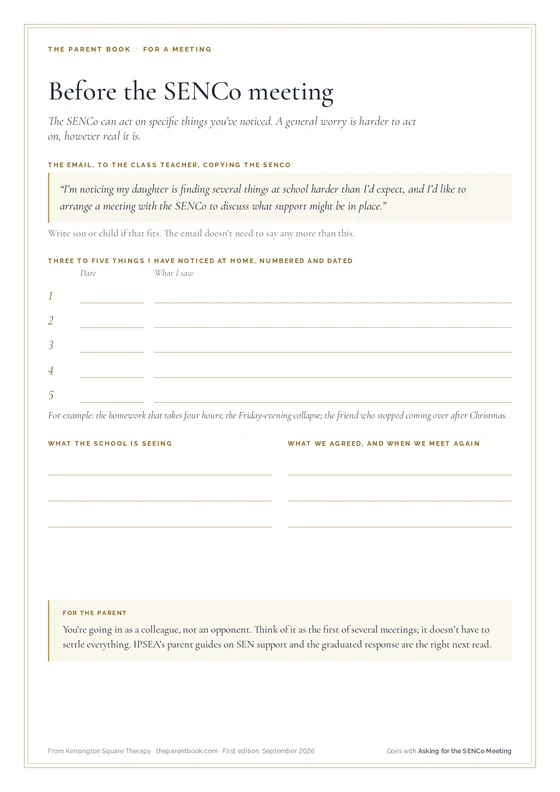 Before the SENCo meeting
For a meeting · A4 · Free
Before the SENCo meeting
For a meeting · A4 · Free
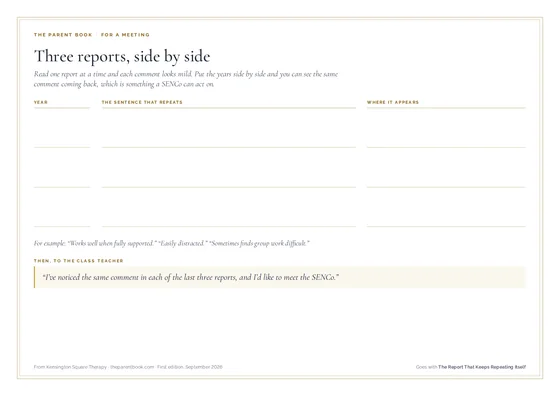 Three reports, side by side
For a meeting · A4 landscape · Free
Three reports, side by side
For a meeting · A4 landscape · Free
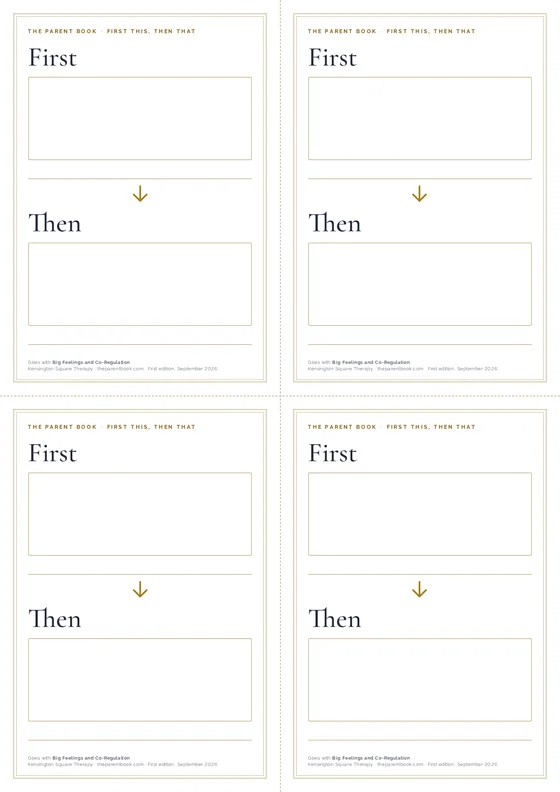 First this, then that
Cards to cut out · A4, four cards to cut, two sides · With a subscription
First this, then that
Cards to cut out · A4, four cards to cut, two sides · With a subscription
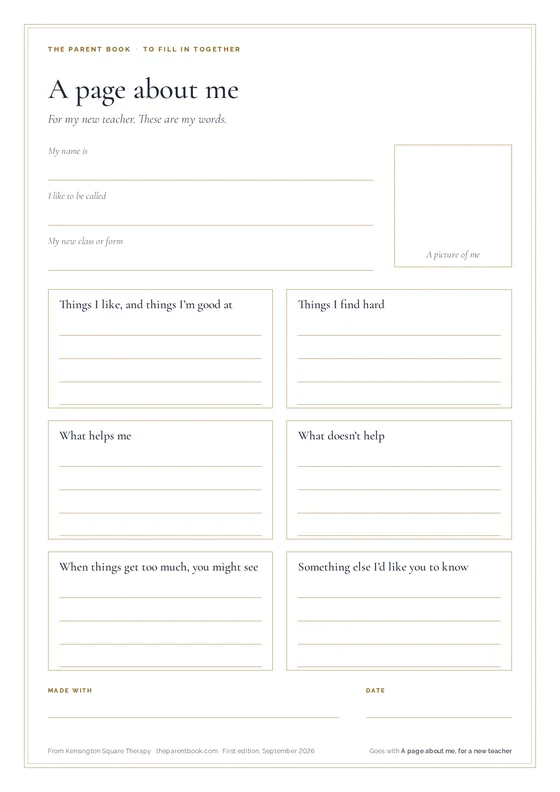 A page about me
To fill in together · A4, two pages · With a subscription
A page about me
To fill in together · A4, two pages · With a subscription
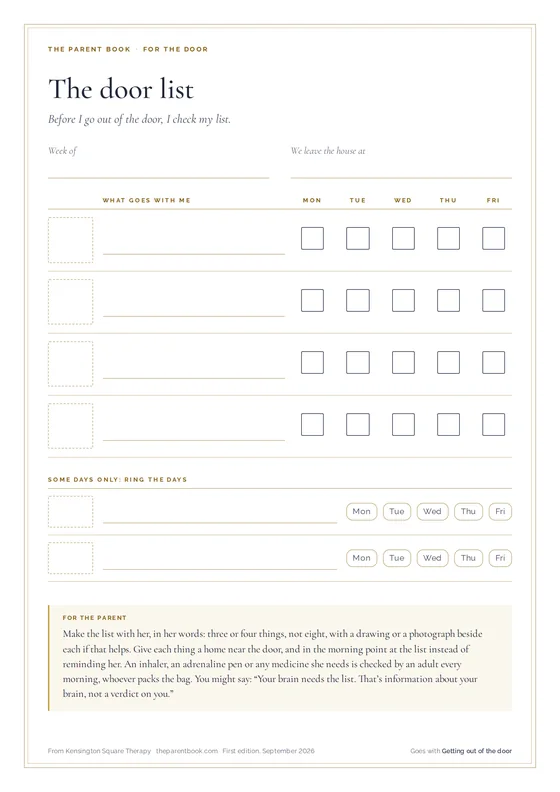 The door list
For the door · A4 · With a subscription
The door list
For the door · A4 · With a subscription
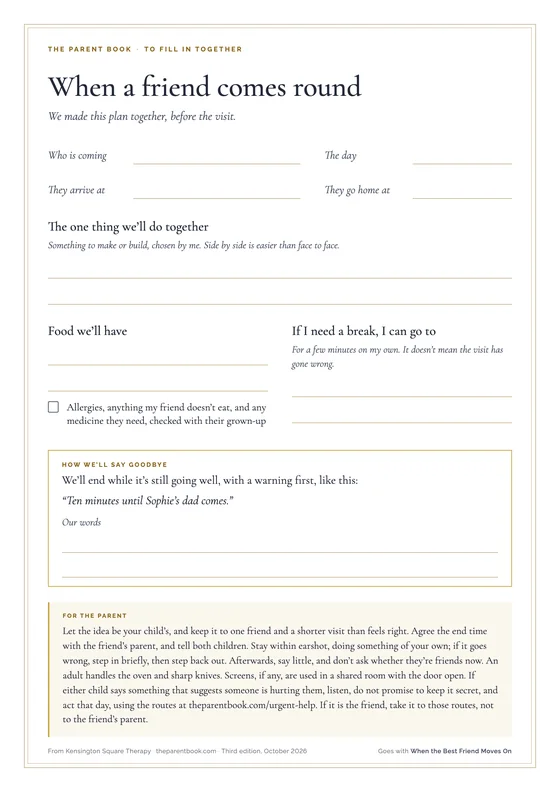 When a friend comes round
To fill in together · A4 · With a subscription
When a friend comes round
To fill in together · A4 · With a subscription
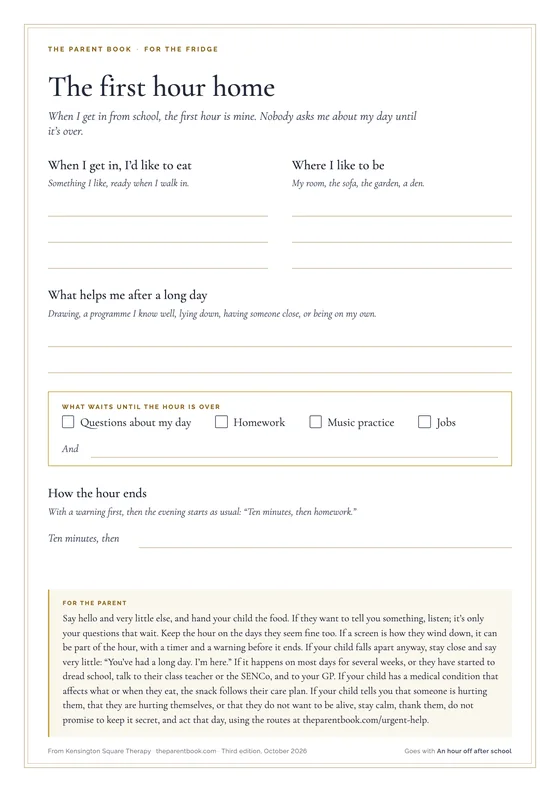 The first hour home
For the fridge · A4 · With a subscription
The first hour home
For the fridge · A4 · With a subscription
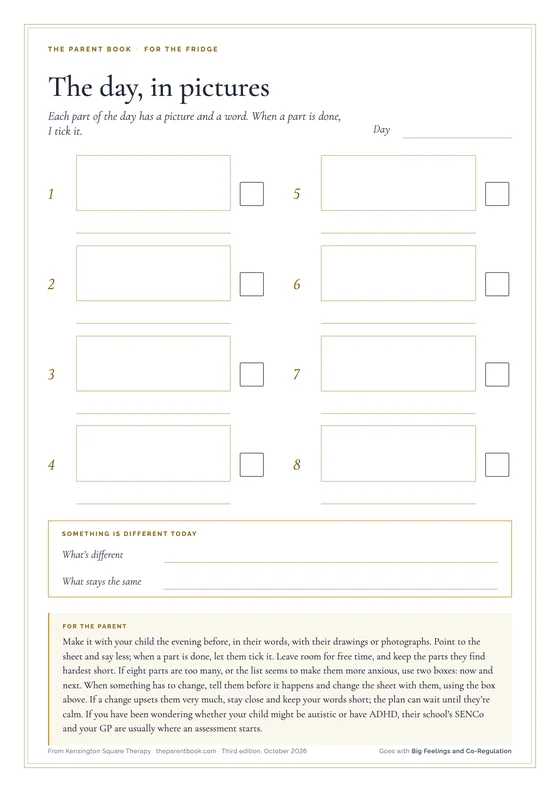 The day, in pictures
For the fridge · A4 · With a subscription
The day, in pictures
For the fridge · A4 · With a subscription
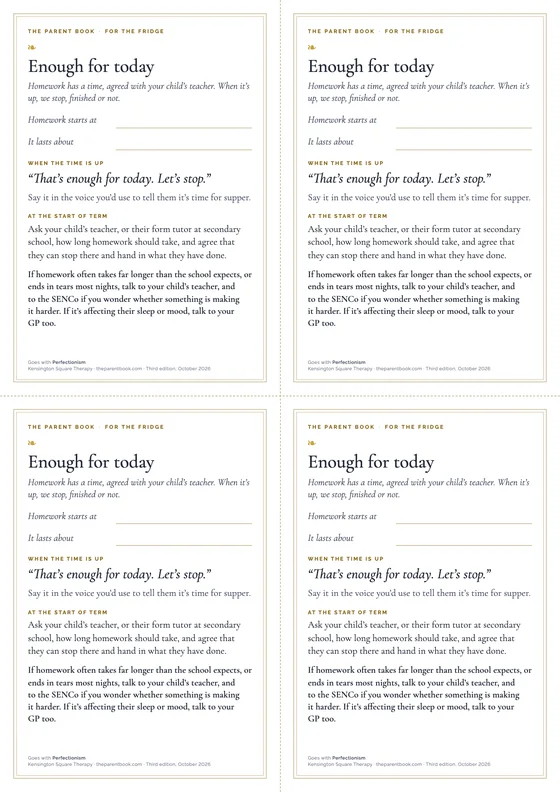 Enough for today
For the fridge · A4, four cards to cut · With a subscription
Enough for today
For the fridge · A4, four cards to cut · With a subscription
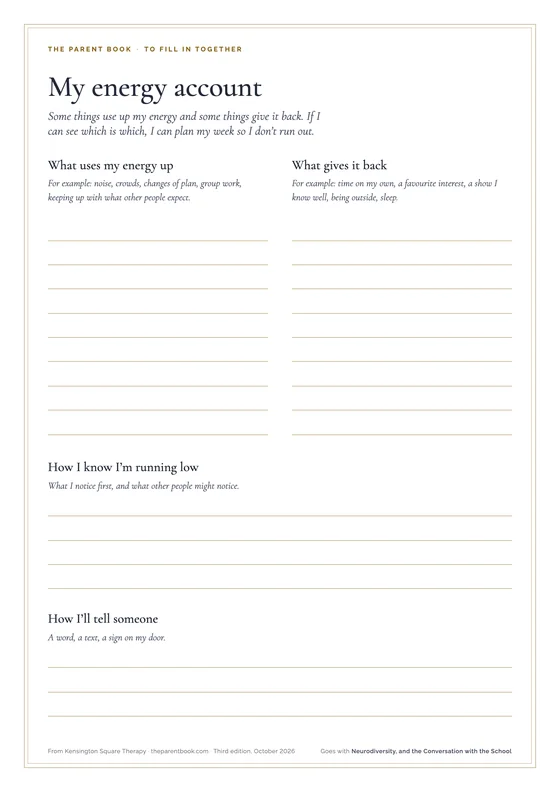 My energy account
To fill in together · A4, two sides · With a subscription
My energy account
To fill in together · A4, two sides · With a subscription
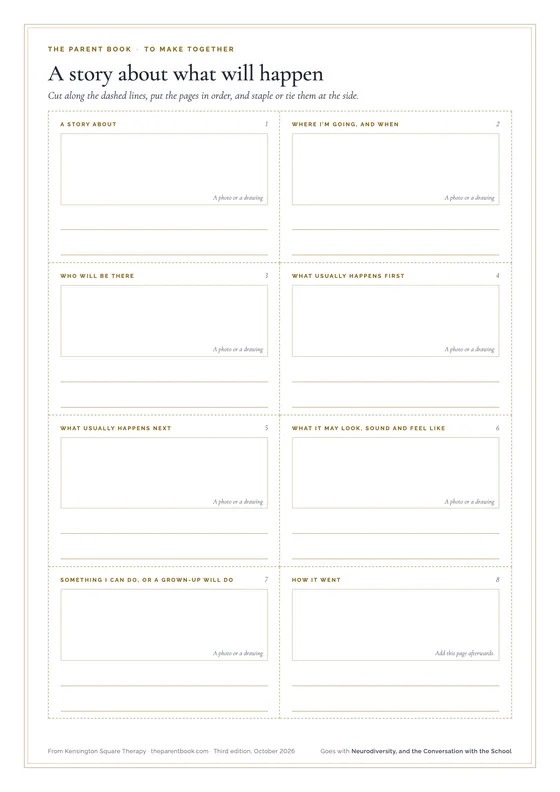 A story about what will happen
To make together · A4, two pages · With a subscription
A story about what will happen
To make together · A4, two pages · With a subscription
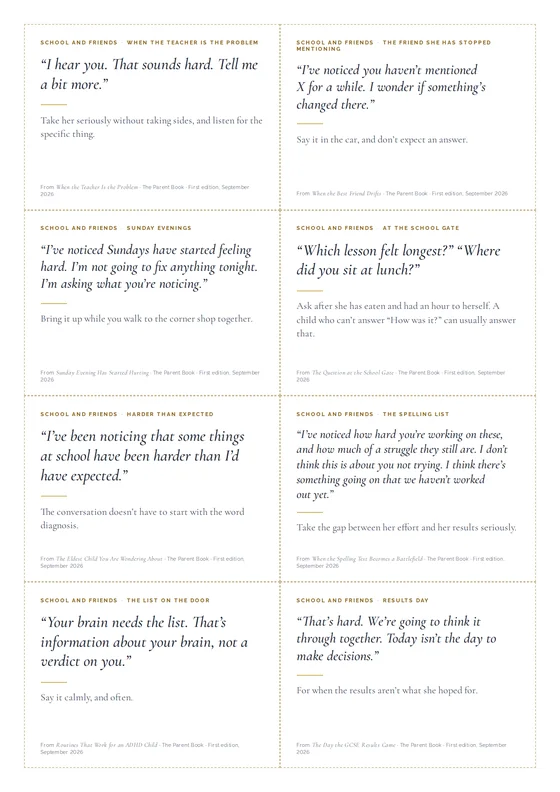 What to say: school and friends
Cards to cut out · A4, eight cards to cut · Free
What to say: school and friends
Cards to cut out · A4, eight cards to cut · Free
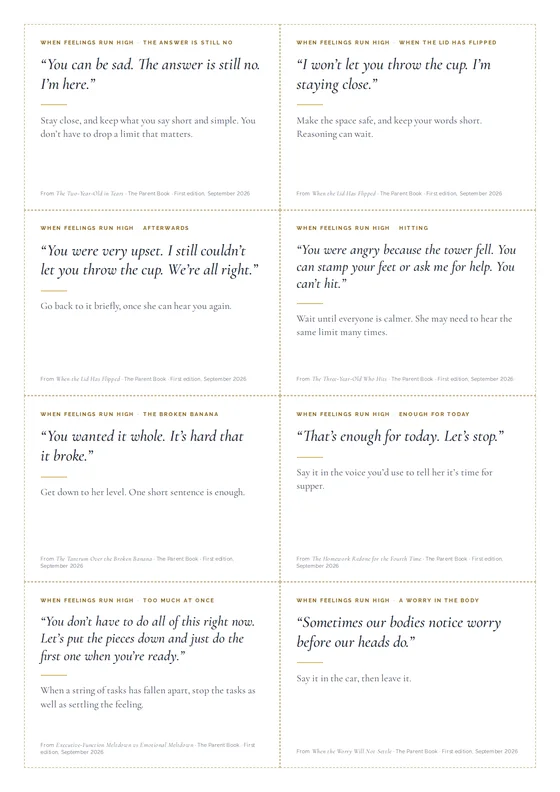 What to say: when feelings run high
Cards to cut out · A4, eight cards to cut · With a subscription
What to say: when feelings run high
Cards to cut out · A4, eight cards to cut · With a subscription
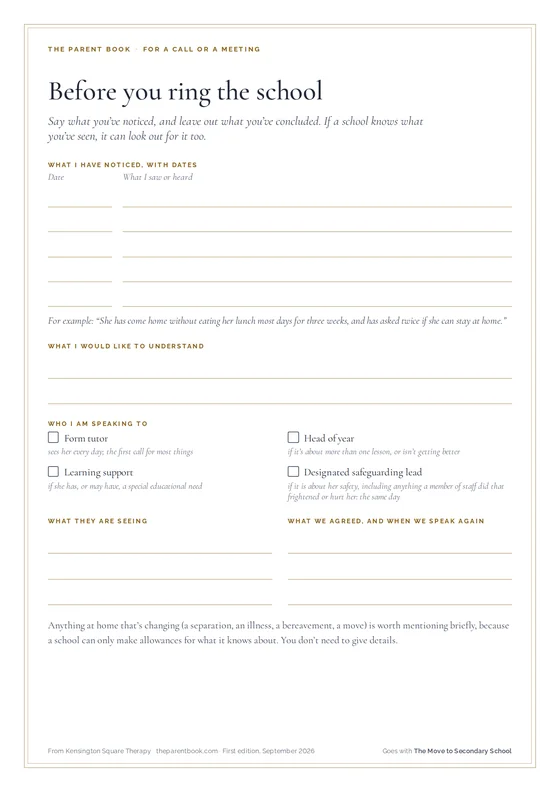 Before you ring the school
For a call or a meeting · A4 · Free
Before you ring the school
For a call or a meeting · A4 · Free
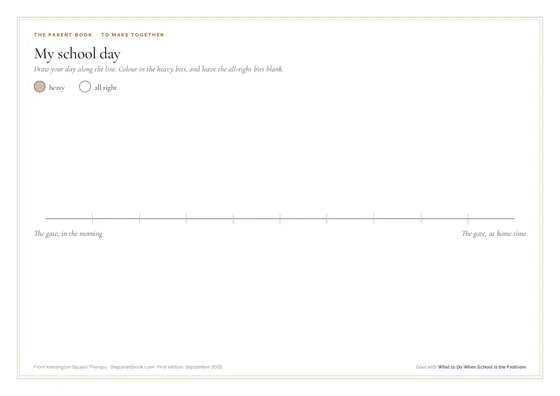 The school day, drawn as a line
To make together · A4 landscape, two pages · With a subscription
The school day, drawn as a line
To make together · A4 landscape, two pages · With a subscription
24 on neurodiversity
Chosen by the therapists who write the library: books for you and to read with your child, and pages from organisations we trust.
Also on this shelf
And five more. Every book on the shelf, with a therapist’s note on what it is good for, is in the library.

Also on this shelf
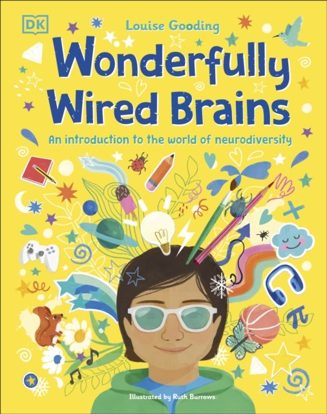
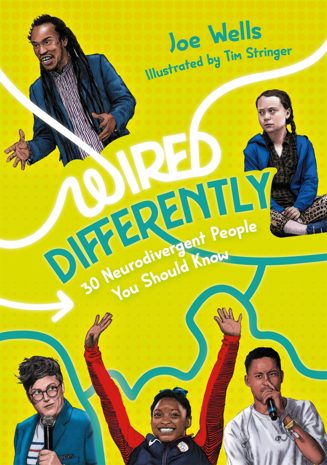
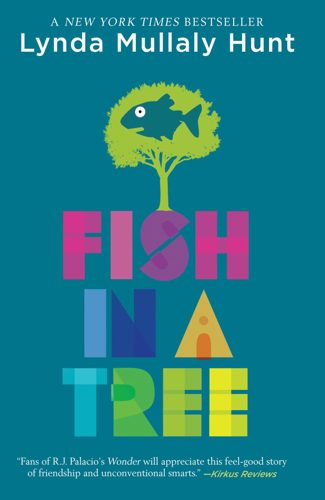
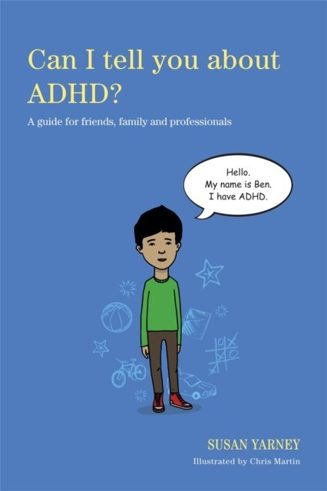
And four more. Every book on the shelf, with a therapist’s note on what it is good for, is in the library.
IPSEA
IPSEA’s legally precise guide to asking the local authority for an EHC needs assessment, what the test is, and what to do if the answer is no.
Contact
A clear map of the SEN system in England: what counts as special educational needs, what schools must provide, and where an EHC plan fits.
Place2Be
For parents who suspect autism, ADHD or another difference: what neurodivergence means, what to observe, and how to start conversations with school and GP.
NHS
The main signs of autism in young and older children, with a useful section on how autism can look different in girls.
YoungMinds
The most thorough UK parent guide to a child who cannot get to school: finding the cause with an ‘anxiety iceberg’, what to ask the school for, and helping a return after absence.
Nothing on this shelf is written for that age yet.
12 on neurodiversity
Podcast episodes, talks and films, each chosen for a reason.
SEND in the Spotlight
A guide to getting an Education, Health and Care Plan in England: how to apply and what a plan means, with a mother who has just been through the process and the BBC’s education reporter.
Also on this shelf
Nuala McGovern with Kellie Bright and Anna Maxwell Martin (BBC)
Robyn Steward and Jamie Knight (BBC)
Dr Max Davie (ADHD UK)
ACAMH (Dr Jane Gilmour, Prof Umar Toseeb, Dr Clara Faria)
And one more. Every episode on the shelf, with a therapist’s note on what it is good for, is in the library.
YouTube · 4 min
Council for Disabled Children, YouTube
A clear animation explaining what an Education, Health and Care Plan is, who it is for and how the assessment process works in England.
Also on this shelf
YouTube · 6 min
Amazing Things Project, YouTube
YouTube · 2 min
National Autistic Society, YouTube
YouTube · 2 min
Contact, YouTube
YouTube · 5 min
Child Mind Institute, YouTube
And one more. Every film on the shelf, with a therapist’s note on what it is good for, is in the library.
Nothing on this shelf is written for that age yet.
Assessment usually begins at school rather than at the surgery. The GP is the referral route, but a school that has already tried and recorded support makes everything after it faster.
Where to start
The member of staff responsible for special educational needs. They hold the assessment routes, the in-school support, and the paperwork an EHCP needs.
Ask for a meeting in writing, and ask what is already being tried under the graduated approach. This conversation usually has to happen before anything statutory can.
The free, impartial SEND information, advice and support service every local authority in England must provide: SEN support, EHC needs assessments, exclusions, and what to do when you and the school disagree.
As soon as special educational needs are in the picture. Search your borough’s name with SENDIASS, or use the national finder.
The gateway to everything the NHS offers a child: paediatric assessment, a referral to CAMHS, and support for you as the parent.
Ask for a double appointment. Describe the pattern over weeks rather than the worst single day, and say plainly what you are worried about. Bring a written list; the ten minutes go quickly.
The council’s children’s services and SEND team. They hold statutory assessment, the Local Offer, and early help for families who need more than a school can give.
When school-level support has been tried and is not enough, or when you want to know what your area actually provides.
For neurodiversity
The charity for families with a disabled child, whether or not there is a diagnosis yet. A free helpline, webchat, benefits advice and local groups.
In the early days after a diagnosis, or while you are still waiting for one, when you need someone warm and practical.
Contact Helpline 0808 808 3555 · Mon-Fri 9.30am-5pm (Tue opens 10.15am) · Webchat and an online enquiry form via the website; bookable Listening Ear calls
contact.org.uk/help-for-families/information-advice-services/our-helpline
The UK’s autism charity. A large advice hub, a directory of autism services near you, an online community, and a one-off support call from another parent of an autistic child, arranged through the website.
From the first suspicion through assessment and after. There is no phone helpline to ring; the parent-to-parent call takes up to twelve working days to arrange.
By arrangement, requested through the website · Parent to Parent Emotional Support Helpline: confidential one-off call staffed by parents of autistic children; arranged via the website.
A national ADHD charity with free online support groups, including one for parents, plain guides to getting a child assessed and to the SEND system, and template letters for exam access arrangements.
When you suspect ADHD, while you wait for assessment, and when school needs a nudge. Use the free groups; the paid course is not what we are pointing you to.
Nor is the coaching marketplace on their site.
Free, independent legal advice on special educational needs in England: SEN support, EHC needs assessments and plans, exclusions and tribunal appeals. A call-in helpline and bookable advice appointments.
When the school or the local authority has stopped moving and you need to know what the law says they must do.
The SEND systems in Wales, Scotland and Northern Ireland work differently.
IPSEA Advice Line and Call-in Helpline 0300 222 5899 · Triage Tue 9.30am-12.30pm; Call-in Helpline Wed 9.30am-2.30pm
Every organisation for neurodiversity, and when each is the right call Finding a therapist