The chapter to start with
When a Parent Is Seriously Ill
For parents whose own serious illness, or the other parent’s, has changed life at home.
31 min read · Under 19
Read the chapter Your first chapter is free to read in full.
↑ ↓ to moveEnter to openEsc to close
When a family changes

This is for families in which a parent, or another adult the children are close to, has a serious illness: cancer, a stroke, a heart condition, multiple sclerosis or motor neurone disease. It covers what to tell the children and when, treatment and hospital visits, the child who has started caring for a parent, what to tell the school, and what to say if treatment can no longer cure.
What to do first and who else can help are free to read and to print. So is the first chapter you open.
What the library holds on serious illness in the family
From the therapists
Children often know that something is wrong before anyone tells them, and a child left to work it out alone tends to fill the gaps, sometimes by deciding it is their fault. You don’t need all the answers to begin. A few true sentences, and the promise that someone will always look after them, make a good first conversation.
1 on serious illness in the family
The long reads, each on one situation, written by a therapist.
The chapter to start with
For parents whose own serious illness, or the other parent’s, has changed life at home.
31 min read · Under 19
Read the chapter Your first chapter is free to read in full.
Nothing on this shelf is written for that age yet.
7 on serious illness in the family
Short pieces for the moment in front of you, each with things to try.
Health and difference
Check with the ward, ask your child whether they want to visit, and tell them what they’ll see.
Try this
From the tip
If the upset lasts, with problems sleeping, eating or at school, talk to the GP or the school.
Health and difference
A teenager may look the illness up whatever you say, so give them the real information first and offer to look together.
Try this
From the tip
If your teenager has a question you can’t answer, offer to take it to the specialist nurse or the doctor.
It helps a teenager to have someone outside the family to talk to as well. Hope Support Services, a UK charity, offers online support to young people of five to twenty-five when someone they love has a serious illness, and young people can refer themselves. It is not a helpline: its support starts with a form on its website. Your teenager can also talk to someone in confidence. Childline, 0800 1111. For anyone under 19 in the UK. There is a one-to-one chat online at https://www.childline.org.uk/get-support/1-2-1-counsellor-chat/. Help is free and available at any hour.
If your teenager’s low mood has lasted most days for two weeks or more, or you are worried about how they are, see the GP. If your child has hurt themselves, or talks about not wanting to be alive, stay calm, thank them if they have told you, don’t promise to keep it secret, and act that day: help them ask the surgery for an urgent appointment, and if it is closed, use the routes under “If you need help right now”, at the foot of every page.
Health and difference
Use the words “die” and “dying”, say it in parts, and let your child choose how involved to be.
Try this
From the tip
A child may say they want to go with their parent, or to die too. Treat it as talk of not wanting to be alive, even if you are not sure what your child meant. If your child has hurt themselves, or talks about not wanting to be alive, stay calm, thank them if they have told you, don’t promise to keep it secret, and act that day: help them ask the surgery for an urgent appointment, and if it is closed, use the routes under “If you need help right now”, at the foot of every page. Your child can also talk to someone themselves. Childline, 0800 1111. For anyone under 19 in the UK. There is a one-to-one chat online at https://www.childline.org.uk/get-support/1-2-1-counsellor-chat/. Help is free and available at any hour.
More quick tips on serious illness in the family
Health and difference
Tell your child about a change in how you will look before it happens, and that you are still the same person.
2 min read · Under 18
Health and difference
Other children will ask about your disability or illness, and your child will need words ready to answer.
2 min read · Ages 5 to 11
Family dynamics
The grandparent who looked after the children now needs looking after.
2 min read
Health and difference
Around eight, your child will notice that their family is different from their friends’ families, so be ready for it.
2 min read · Ages 7 to 11
The rest of each tip, with more to try and why it works, is in the library.
Nothing on this shelf is written for that age yet.
1 on serious illness in the family
Small, repeatable things to do with your child, with what to watch for and when to get help.
To do together · About 10 min
A notebook of your child’s own for the questions about a parent’s illness that are hard to ask out loud. You look in it every evening and answer the next day.
What it is for. Children often have fears about a parent’s illness that they don’t mention, and some stop asking questions to protect the adults. A notebook of their own gives your child a way to ask without having to say it out loud, and gives you a night to think about the answer.
Safety. Keep the notebook away from brothers, sisters and visitors unless your child wants to share it, but never promise that what is in it will stay secret: if it is about your child’s safety, or anyone else’s, act on it that day. Keep medical details your child hasn’t asked about out of your answers.
When to get help. If your child’s low mood has lasted most days for two weeks or more, if worry or problems with eating, sleeping or school do not settle, or if you are worried about how they are, talk to their GP and their school. A child may write or say that they want to go with their parent, or to die too. Treat it as talk of not wanting to be alive, even if you are not sure what your child meant. If your child has hurt themselves, or talks about not wanting to be alive, stay calm, thank them if they have told you, don’t promise to keep it secret, and act that day: help them ask the surgery for an urgent appointment, and if it is closed, use the routes under “If you need help right now”, at the foot of every page. If your child tells you that someone is hurting them, stay calm, thank them for telling you, don’t promise to keep it secret, and act that day, using those routes; if the person hurting your child lives in your home or your child’s other home, go straight to children’s social care or the police. A child protection helpline, listed under “If you need help right now”, at the foot of every page, will talk it through with you. If your child is badly hurt, or may have taken too much of a medicine, get medical help straight away, even if they seem well.
The other three steps, and your part in it, are in the library.
Nothing on this shelf is written for that age yet.
1 on serious illness in the family
Made to be printed, kept, and handed on.
To print and keep
What to do first, a few things to try and who else can help, together in one guide. Free to print and keep, or to hand to the other parent, a grandparent or the school.
Who else can help with serious illness in the family, on a sheet of its own.
8 on serious illness in the family
Chosen by the therapists who write the library: books for you and to read with your child, and pages from organisations we trust.
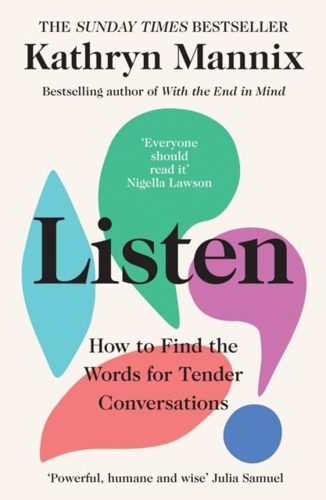
Also on this shelf

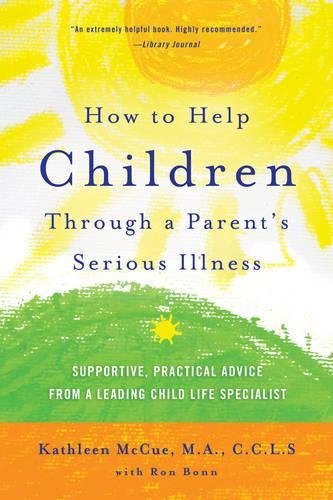
Every book on the shelf, with a therapist’s note on what it is good for, is in the library.
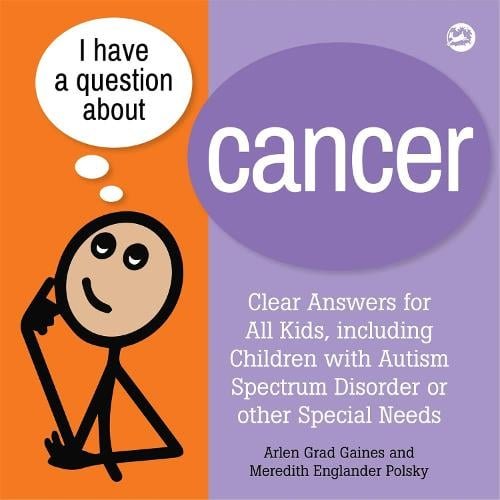
Also on this shelf

Every book on the shelf, with a therapist’s note on what it is good for, is in the library.
Marie Curie
Marie Curie on telling a child that someone has a terminal illness, hospital and hospice visits, and preparing a child or teenager for the death. For the time when treatment can no longer cure.
Macmillan Cancer Support
Macmillan’s guide for parents after a cancer diagnosis: why telling children usually helps, how to prepare and what to say, and how children and teenagers may react. The place to start when an adult in the family has cancer.
NSPCC
For families where a child helps care for a parent or sibling: how to talk about it, how to involve the school, and a young carer’s right to an assessment from the council.
Nothing on this shelf is written for that age yet.
2 on serious illness in the family
Podcast episodes, talks and films, each chosen for a reason.
Get a Grip - Evidence-Based Conversations for Parents and Educators
Oxford researcher Louise Dalton explains why being open and honest with children about a parent’s or relative’s serious illness protects their mental health, and how to begin those conversations, with advice for schools.
YouTube · 3 min
Carers Trust, YouTube
Made by young carers themselves: what caring for a parent or sibling involves, how it feels, and why being recognised as a young carer opens the door to support.
Nothing on this shelf is written for that age yet.
This usually starts at school, which sees your child every day; the council is the route to a young carer’s needs assessment, and to a carer’s assessment for the adult at home; the GP is there if your child’s distress lasts or deepens; and Citizens Advice can help with benefits, work and money.
Where to start
The pastoral lead, the head of year, or the form tutor. Free, already knows your child, and often the quickest way to get something changed at school.
Before or alongside anything else. A school cannot act on what it has not been told, and what you bring is often what it did not have.
The council’s children’s services and SEND team. They hold statutory assessment, the Local Offer, and early help for families who need more than a school can give. In England it must also arrange a young carer’s needs assessment if your child or you ask for one, and a carer’s assessment for an adult who gives regular care.
When school-level support has been tried and is not enough, or when you want to know what your area actually provides.
The gateway to everything the NHS offers a child: paediatric assessment, a referral to CAMHS, and support for you as the parent.
Ask for a double appointment. Describe the pattern over weeks rather than the worst single day, and say plainly what you are worried about. Bring a written list; the ten minutes go quickly.
Free, independent advice on the practical layer: housing, benefits, debt, employment, and your rights when a family separates.
When the worry is partly a practical problem wearing an emotional coat. Solving the practical part often lowers the temperature at home more than anything else will.
For serious illness in the family
The clearest UK guide to telling children about a parent’s cancer, age by age, and a free daily support line with nurses on the same number.
When a diagnosis has arrived and you are rehearsing how to say it.
Macmillan Support Line 0808 808 00 00 · Every day 8am-8pm · Online chat every day 8am-7.45pm; email through the online form, answered within two working days; the advisers on the line include cancer information specialist nurses · Outside those hours the line is closed. Samaritans answer at any hour on 116 123, and Shout answer if you text the word SHOUT to 85258.
The Children’s Society’s young carers programme, with a finder for the young carers’ service in your area.
When your child has taken on caring for someone at home; the young carers’ project nearest you is the thing to find.
Charged at your standard call rate, not free.
Include (Children’s Society Young Carers) 01962 711 511 · Mon-Fri 9am-5pm · Outside those hours the line is closed. Samaritans answer at any hour on 116 123, and Shout answer if you text the word SHOUT to 85258.
www.childrenssociety.org.uk/information/young-people/young-carers
Free one-to-one support for your child, aged five to twenty-five, by video or audio call, messaging or email, while someone they love has a serious illness; you refer them on Hope’s website, where a young person can also refer themselves.
Once your child knows about the diagnosis and is finding it hard, at any point from then on, though it is not a 24-hour service.
The UK’s carers’ charity. A free weekday helpline and email advice on benefits, carers’ assessments, work and local services.
When you are caring for a partner, parent or child alongside everything else and need to know what you are entitled to.
Carers UK Helpline 0808 808 7777 · Mon-Fri 9am-6pm, including bank holidays · Outside those hours the line is closed. Samaritans answer at any hour on 116 123, and Shout answer if you text the word SHOUT to 85258.
The UK’s children’s bereavement charity, now including Winston’s Wish. A free helpline, live chat and WhatsApp, and bookable calls with a bereavement specialist, for grieving children and young people up to twenty-five and for families where a child has died.
As early as you like after a death, and again later if the grief resurfaces. They will also know what exists near you.
Child Bereavement UK helpline 0800 02 888 40 · Mon-Fri 8am-8pm, except bank holidays · Live chat and email via the website; WhatsApp or text 07418 341800 · Outside those hours the line is closed. Samaritans answer at any hour on 116 123, and Shout answer if you text the word SHOUT to 85258.
www.childbereavementuk.org/Pages/Category/child-bereavement-uk-support-services
You can talk to Marie Curie free, by phone, web chat or email, about anything to do with a terminal illness, and read its guide to helping a child or teenager when someone close to them is dying.
When someone in your family has a terminal illness, or has died, and you want to talk through what is happening, or what to tell the children, with someone at Marie Curie.
Marie Curie Support Line 0800 090 2309 · Mon-Fri 8am-6pm; weekends 10am-4pm · Outside those hours the line is closed. Samaritans answer at any hour on 116 123, and Shout answer if you text the word SHOUT to 85258.
Every organisation for serious illness in the family, and when each is the right call Finding a therapist