The Parent Book.
Therapist-written support for parents
Urgent help

When a family changes

Leaving home

Light enough to travel.

These pages are for the year before your child leaves home, for university, an apprenticeship, a job or a year away, and for the first years after. They cover what to hand over before they go, what doctors and universities can and can’t tell you once your child is eighteen, what to do from a distance when it isn’t going well, and the family left behind.

What to do first and who else can help are free to read and to print. So is the first chapter you open.

What the library holds on leaving home

For a child aged

From the therapists

What to do first

Homesickness and doubts are very common in the first weeks away, and for most students the doubts pass with time. What helps is a few practical skills learned before your child goes, a way of keeping in touch that they choose, and knowing what to do if things go wrong.

  1. Tonight, ask your child how they’d like to keep in touch once they’ve gone, or, if they’ve already gone, whether the way you keep in touch suits them, and let them set the rhythm.
  2. This week, find out how your child’s university wants a family to raise a concern about a student, including out of hours, and save the number in your phone.
  3. If you’re worried about your child once they’ve gone, tell their GP or the university’s wellbeing service what you’ve seen. Either can listen, even when it can’t tell you anything back.

If you are worried about a child’s safety

Safeguarding: what to do and who to tellUrgent help

Chapters

1 on leaving home

The long reads, each on one situation, written by a therapist.

The chapter to start with

When They Leave Home

For parents whose child is about to leave home, or has just gone, for university, an apprenticeship, a job or a year away.

30 min read · Ages 16 and over

Read the chapter Your first chapter is free to read in full.

Quick tips

10 on leaving home

Short pieces for the moment in front of you, each with things to try.

Family transitions

The GP, the Medicines and the Vaccines Before Your Child Leaves

The GP, any regular medicine and two vaccines are easier to sort out while your child still lives with you.

Try this

  • Help your child register with a GP near where they’ll live, in their first week.

From the tip

In the summer before your child leaves, sort out three health things with them: where they’ll see a GP, how any regular medicine will reach them, and whether their vaccines are up to date.

If your child takes a regular medicine, work out before they go which surgery will prescribe it, which pharmacy they’ll use and how they’ll order it. Let them order the next repeat themselves while they’re still at home: through the surgery, or in England through the NHS App, which anyone aged thirteen or over who is registered with a GP can use. The NHS suggests ordering up to five working days before the medicine is needed. If a specialist team started the medicine, ask that team how it will continue after the move. If it runs out while your child is away, a pharmacy can supply some medicines in an emergency without a prescription, sometimes for a charge.

If your child becomes physically unwell, or runs out of a medicine, and their surgery is closed, there is an urgent advice route wherever they are. In England, Scotland and Wales, call 111. In Northern Ireland, contact your GP surgery during surgery hours, or your regional GP out-of-hours service when the surgery is closed. For a life-threatening emergency, call 999.

Friendships & social life

When a Friend Is Very Drunk or May Have Been Spiked

Most of what a student needs to know about drink and spiking is how to look after a friend.

Try this

  • Tell your child that suspected alcohol poisoning means an ambulance, not a lift to A&E. Call 999. Help is free and available at any hour.
  • Tell your child that suspected spiking means medical help early, and a report to the police.

From the tip

Alcohol poisoning can look like confusion, being sick, slow or irregular breathing, pale or blue-tinged skin, a fit, or passing out. If your child thinks a friend has alcohol poisoning, your child should call an ambulance, and not try to take the friend to A&E. Call 999. Help is free and available at any hour. The person who answers will tell your child what to do.

Spiking is a crime, and it isn’t the fault of the person who was spiked. The Home Office lists the signs as confusion, feeling or being sick, hallucinations or paranoia, poor co-ordination or vision, difficulty speaking clearly, and memory loss, so spiking can look like being very drunk. If your child thinks they or a friend have been spiked, your child should get medical help, ask the venue’s staff for help, stay with the friend and report it to the police early, because some drugs leave the body in under twelve hours.

If your child, or a friend, may have been sexually assaulted, a sexual assault referral centre gives medical care, including emergency contraception, and can take forensic samples, whether or not the assault is reported to the police. It is best to go as soon as possible, and the NHS website finds the nearest centre.

Family transitions

When Your Child Wants to Leave the Course

Doubts about a course usually pass, and a break may be possible, so nothing needs deciding in the week your child tells you.

Try this

  • Ask what has happened and what they want instead, and decide nothing that week.

From the tip

If low mood is part of it, the university’s wellbeing service and your child’s GP are the first doors, and you can tell either of them what you’ve seen.

If your child tells you they have hurt themselves, or talks about not wanting to be alive, act that day: help them ask their own surgery for an urgent appointment, or use the crisis line for the nation they are in, not the one you are calling from. England, Scotland and Wales: call 111 and choose the mental-health option. Northern Ireland: call Lifeline on 0808 808 8000. Help is free, confidential and available at any hour. Whoever answers may share information to arrange care or keep someone safe.

If your child is badly hurt, or may have taken too much of a medicine, get medical help straight away, even if they seem well. Call 999. Or go to your nearest A&E. Help is free and available at any hour.

More quick tips on leaving home

  • Family transitions

    The First Phone Call Back

    A short, slightly distracted first call from university is a good sign that your child is settling in.

    2 min read · Ages 13 and over

  • Family transitions

    The Week Before Your Child Leaves

    The week before your child leaves for university is one of the hardest; do less than you think it needs.

    2 min read · Ages 13 and over

  • School & pressure

    Talking About the Apprenticeship Route

    An apprenticeship deserves the same care you’d give to choosing a university.

    2 min read · Ages 13 to 18

  • Family transitions

    The Year Out Conversation

    A year out is your teenager’s decision to make; your part is to ask them calmly what they are thinking.

    2 min read · Ages 16 and over

  • School & pressure

    When A-Level Results Day Does Not Go to Plan

    If your teenager’s A-level grades fall short of their offer, find out first where they stand, then help them make the calls in the right order.

    2 min read · Ages 16 and over

  • Family transitions

    When Your Teenager Wants to See the GP Without You

    Seeing a doctor on their own is part of growing up; know what stays private, what doesn’t, and how you can still help.

    2 min read · Ages 13 to 18

  • School & pressure

    When Your Teenager Is Not Going to University

    If your teenager decides not to go to university, treat it as their decision and ask what they want instead.

    2 min read · Ages 13 and over

The rest of each tip, with more to try and why it works, is in the library.

Things to do together

3 on leaving home

Small, repeatable things to do with your child, with what to watch for and when to get help.

To do together · About 30 min

Five things to learn before they go

In the last year at home, your teenager learns five things they’ll need when they leave, one at a time, in the order they choose.

What it is for. Before they leave home, a young person needs to be able to feed themselves for a week on a budget, keep track of their money, register with a GP and order a repeat prescription, find contraception and sexual health services, and get home safely at night. If your teenager learns them one at a time while they still live with you, any mistake happens while you’re near enough to help put it right. The list stays useful after they have gone: it is what you can help with from a distance, when your child asks.

  1. The first step Write the five things down with your teenager: feeding themselves for a week on a budget, keeping track of their money, registering with a GP and ordering a repeat prescription, knowing where to go for contraception and sexual health, and getting home safely at night.
  2. Step 4 For the GP, let your teenager book an appointment and go in on their own; the activity “Their first appointment on their own” goes through it in stages. For a regular medicine, let them order the next prescription themselves. For sexual health, look up together where the nearest service is, and leave the rest to them.

Safety. If your teenager is very drunk, stay with them and don’t leave them to sleep it off alone: they could be sick while drowsy and choke. If you think they have alcohol poisoning, call for emergency help, using the routes under “If you need help right now”. Spiking can look like being very drunk, and some drugs leave the body within hours. If you suspect it, get medical help early and report it to the police. The person who was spiked is never to blame.

When to get help. If your teenager or anyone with them is hurt, very drowsy or confused, unconscious, or may have been spiked, use the routes under “If you need help right now”, at the foot of every page, straight away. If your child has hurt themselves, or talks about not wanting to be alive, stay calm, thank them if they have told you, don’t promise to keep it secret, and act that day: help them ask the surgery for an urgent appointment, and if it is closed, use the routes under “If you need help right now”, at the foot of every page. If your child tells you that someone is hurting them, stay calm, thank them for telling you, don’t promise to keep it secret, and act that day, using those routes; if the person hurting your child lives in your home or your child’s other home, go straight to children’s social care or the police. If your child is badly hurt, or may have taken too much of a medicine, get medical help straight away, even if they seem well.

The other four steps, and your part in it, are in the library.

More to do together

  • To do together

    How we will keep in touch

    Before the first term, agree with your teenager how you’ll keep in touch once they’ve gone, with them setting the rhythm and you keeping your side of it.

    About 30 min · Ages 16 to 18

  • To do together

    Their first appointment on their own

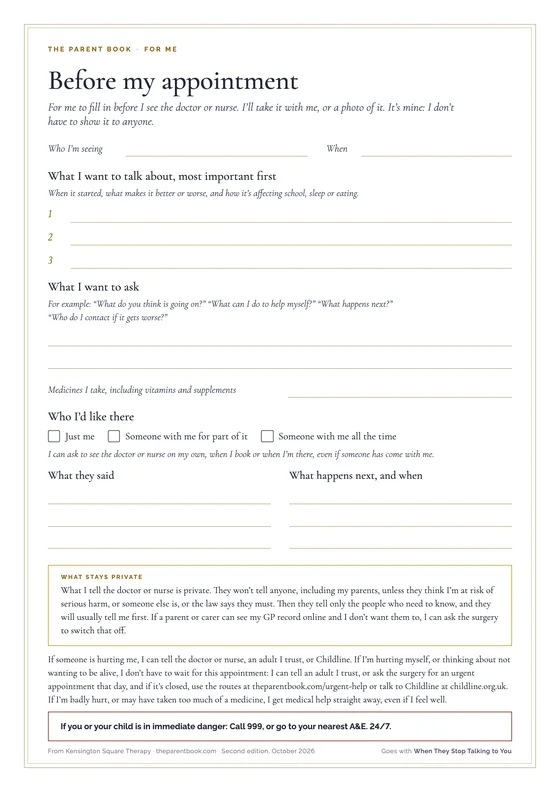
    Help your teenager get ready for a GP appointment and book it, then step back in stages until they can manage it alone.

    About 30 min · Ages 13 to 18 · With a sheet to print

2 on leaving home

Made to be printed, kept, and handed on.

To print and keep

The guide to leaving home

What to do first, a few things to try and who else can help, together in one guide. Free to print and keep, or to hand to the other parent, a grandparent or the school.

See the sheet

Who else can help with leaving home, on a sheet of its own.

Books and reading

7 on leaving home

Chosen by the therapists who write the library: books for you and to read with your child, and pages from organisations we trust.

For you 3

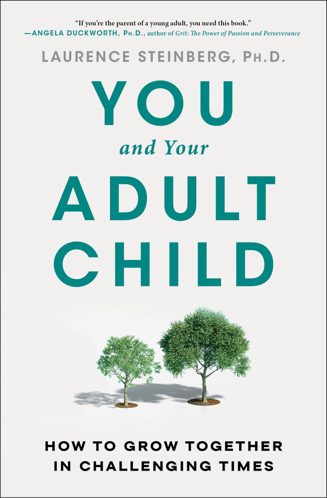
  • Cover of You and Your Adult Child by Laurence Steinberg
    You and Your Adult Child Laurence Steinberg Steinberg turns to the relationship between parents and children over 18, covering university, returning home, money, partners and mental health, with a steady emphasis on respecting adult independence. Affiliate link: we earn a small commission

Also on this shelf

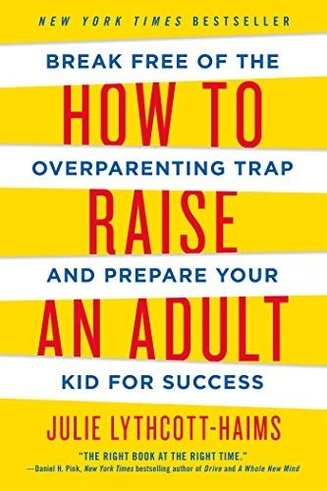
  • Cover of How to Raise an Adult by Julie Lythcott-Haims
    How to Raise an Adult Julie Lythcott-Haims
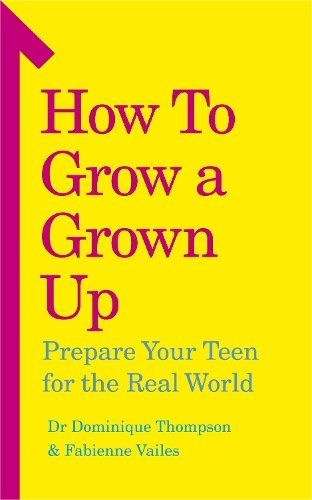
  • Cover of How to Grow a Grown Up by Dominique Thompson and Fabienne Vailes
    How to Grow a Grown Up Dominique Thompson and Fabienne Vailes

Every book on the shelf, with a therapist’s note on what it is good for, is in the library.

To read with your child 1

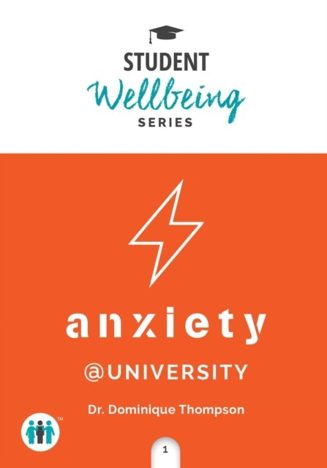
  • Cover of Anxiety at University: A Pocket Guide by Dr Dominique Thompson
    Anxiety at University: A Pocket Guide Dr Dominique Thompson · Ages 17 to 18 A pocket guide by a GP who led a large university health service, on recognising anxiety, looking after yourself and getting help once away from home. Useful to pack with a student heading off. Affiliate link: we earn a small commission

To read online 3

  • Student Minds

    Student mental health support for parents, carers and guardians

    The student mental health charity’s guide for parents and carers on supporting a university student from a distance. It explains that ups and downs are normal, how to listen first and ask what would help, and what to think about if your child wants to leave or change course.

  • YoungMinds

    University and mental health

    YoungMinds’ guide for parents of a student: what support universities offer, what a university can and can’t share with a family, and how to get urgent help while your child is away. For a parent whose child is about to leave or has just gone, the page to read first.

  • UCAS

    When to step in, when to step back: A parent’s guide to university support

    UCAS on the first term at university: how a parent can help with academic, social and money difficulties without taking over, what other support there is, and how to look after yourself once your child has gone. Brief and practical.

Who else can help

Your child’s own GP, near where they live, is the first call for their health, and at university the wellbeing service is the next; NHS 111, or Lifeline in Northern Ireland, is the line for a mental health crisis that can’t wait, in the nation your child is in; while they are still at school or college, the school or college knows them best; and MoneyHelper can help with money worries.

Where to start

  • Your child’s own GP

    The GP near where your child lives, who can see them, prescribe, and refer them on. From eighteen your child books and goes on their own, and the surgery needs their agreement to tell you anything.

    If you’re worried, ring the surgery and say what you’ve seen. It can listen even when it can’t tell you anything back.

    www.nhs.uk/service-search/find-a-gp

  • Your child’s university wellbeing service

    The service most universities run for students’ mental health and wellbeing, usually with free counselling a student can refer themselves to.

    When your child is struggling at university. They refer themselves; you can tell the service what you have seen, even if it can’t tell you anything back.

  • NHS 111, and Lifeline in Northern Ireland

    The mental health crisis line for your area. Free, confidential and answered twenty-four hours a day, every day of the year.

    When you or your child is in mental health crisis and it will not wait for a GP appointment.

    England, Scotland and Wales: call 111 and choose the mental-health option
    Northern Ireland: call Lifeline on 0808 808 8000

  • Your child’s school

    The pastoral lead, the head of year, or the form tutor. Free, already knows your child, and often the quickest way to get something changed at school.

    Before or alongside anything else. A school cannot act on what it has not been told, and what you bring is often what it did not have.

  • MoneyHelper

    The government-backed free money guidance service, including a debt advice locator.

    When money is part of what is happening at home. Children read household stress long before anyone explains it to them.

    www.moneyhelper.org.uk

For leaving home

  • UCAS

    UCAS’s pages for parents on applications, results day, Clearing, apprenticeships and the alternatives.

    From Year 11 onward. Information, not advice.

    University admissions is the main focus. For apprenticeships in depth, apprenticeships.gov.uk is fuller.

    www.ucas.com/discover/advice-for-parents-guardians-and-carers

  • YoungMinds

    The UK’s young people’s mental health charity, with a free Parents Helpline, webchat and email, and a plain A to Z of the things parents worry about.

    When you want to talk through a worry about your child with someone who has heard it before, or read a clear first explanation of a named concern. Not a crisis line.

    Parents Helpline 0808 802 5544 · Mon, Thu, Fri 9.30am-4pm; Tue, Wed 9.30am-6pm · Webchat Mon-Fri 9.30am-4pm; email parents@youngminds.org.uk · Outside those hours the parents line is closed. The urgent routes on this page are open when it is not.

    www.youngminds.org.uk/parent/parents-helpline

  • Coram Family Lives

    A free, confidential helpline for any parenting or family worry, by phone, live chat, WhatsApp or email, staffed by trained family support workers.

    When you need to talk it through with someone, about your child or about how you are managing, and you do not need a specialist to do it.

    Coram Family Lives helpline 0808 800 2222 · Mon-Fri 9am-9pm; weekends 10am-3pm; closed bank holidays · Live chat and WhatsApp 07441 444125 at the same hours; email askus@coramfamilylives.org.uk · Outside those hours the line is closed. Samaritans answer at any hour on 116 123, and Shout answer if you text the word SHOUT to 85258.

    www.coramfamilylives.org.uk/how-we-can-help/confidential-helpline

  • The Mix

    A free service for under-twenty-fives on anything at all: a twenty-four-hour crisis text line, peer chat, short-term counselling and discussion boards.

    Something to give your teenager rather than use yourself. The text line is there at three in the morning.

    Crisis text 24/7; counselling, peer chat and boards by arrangement

    www.themix.org.uk/get-support

  • Brook

    The young people’s sexual health charity. Calm pages for parents on puberty, periods and talking about sex and relationships at home.

    When the question has arrived in the back of the car. Reading; the clinics are for young people themselves.

    www.brook.org.uk/parents-and-carers

  • FRANK

    The government’s confidential drugs advice line, open twenty-four hours, with an A to Z of drugs, a section for parents who are worried about their child, and a finder for local services.

    When you have found something, or heard something, and want facts before the conversation.

    Charged at your standard call rate, not free.

    FRANK 0300 123 6600 · Phone 24 hours, every day; texts and emails are answered, with no reply time given

    www.talktofrank.com