The chapter to start with
Perfectionism
For parents whose child can’t bear to get anything wrong.
15 min read · Ages 4 to 18
Read the chapter Your first chapter is free to read in full.
↑ ↓ to moveEnter to openEsc to close
School and pressure

These pages are about whether your child likes themselves, and they’re for the parent watching for signs that the answer is no. They look at what lets self-esteem grow: feeling safe, being competent at everyday things, and love with no conditions attached. Many children sense, without anyone saying so, that love comes with conditions.
What to do first and who else can help are free to read and to print. So is the first chapter you open.
What the library holds on self-esteem
From the therapists
Self-esteem comes from a child finding out, again and again, that they’re capable, and that they’re loved when they aren’t. Praise doesn’t build it.
1 on self-esteem
The long reads, each on one situation, written by a therapist.
The chapter to start with
For parents whose child can’t bear to get anything wrong.
15 min read · Ages 4 to 18
Read the chapter Your first chapter is free to read in full.
Nothing on this shelf is written for that age yet.
7 on self-esteem
Short pieces for the moment in front of you, each with things to try.
Family dynamics
Describe what your child did and how they did it, which tells them far more than a verdict on how clever they are.
Try this
Friendships & social life
A party for four and a whole class minus one mean different things, so find out which it was, and let your child be sad before you try to fix it.
Try this
Big feelings
When a perfectionist child tears up their maths, they’re upset about what getting it wrong says about them.
Try this
More quick tips on self-esteem
Friendships & social life
Don’t argue with “nobody”; ask what happened today, then keep an eye on the next few weeks.
2 min read · Ages 5 to 11
School & pressure
If your child keeps redoing their homework because it isn’t perfect, end the session for them.
2 min read · Ages 7 to 13
Family dynamics
Answer truthfully and briefly when your child asks why their friend is going skiing and they aren’t.
1 min read · Ages 9 to 16
Family dynamics
Twins are compared from the start, so describe each one in their own terms, without mentioning their twin.
2 min read · Ages 5 to 13
The rest of each tip, with more to try and why it works, is in the library.
Nothing on this shelf is written for that age yet.
4 on self-esteem
Small, repeatable things to do with your child, with what to watch for and when to get help.
To do together · About 20 min
Ask your child to teach you something they can do and you can’t. They run the lesson, you get it wrong in front of them, and at the end you tell them what you learned.
What it is for. Much of a child’s day is spent being taught and corrected. Teaching you something turns that round: they’re the one who knows, you’re the one getting it wrong, and they see you take them seriously. For a child who finds school hard, it’s a chance to be good at something in front of someone whose opinion matters to them.
When to get help. If your child often says they’re useless or no good at anything, compares themselves harshly with other children, or is pulling away from friends and things they used to enjoy, and it has lasted several weeks or is getting worse, talk to their school and your GP. The school may be able to link them with a mentor, or help them take on a new responsibility. If your child tells you that someone is hurting them, that they are hurting themselves, or that they do not want to be alive, stay calm, thank them for telling you, do not promise to keep it secret, and act that day, using the routes under “If you need help right now”, at the foot of every page.
The other five steps, and your part in it, are in the library.
More to do together
To do together
Once a week, at one meal, everyone says one thing they got wrong, starting with you. Nobody comments on anyone else’s.
About 5 min · Ages 5 to 16 · With a sheet to print
To do together
Each of you takes up something none of you can do, and practises it where the others can see. There is no show at the end.
About 10 min · Ages 7 to 18 · With a sheet to print
To do together
Now and then, each of you writes a few things your body did this week: something it managed, something it felt, something it mended. Nobody mentions how anyone looks.
About 10 min · Ages 7 to 16 · With a sheet to print
Nothing on this shelf is written for that age yet.
6 on self-esteem
Made to be printed, kept, and handed on.
To print and keep
What to do first, a few things to try and who else can help, together in one guide. Free to print and keep, or to hand to the other parent, a grandparent or the school.
Who else can help with self-esteem, on a sheet of its own.
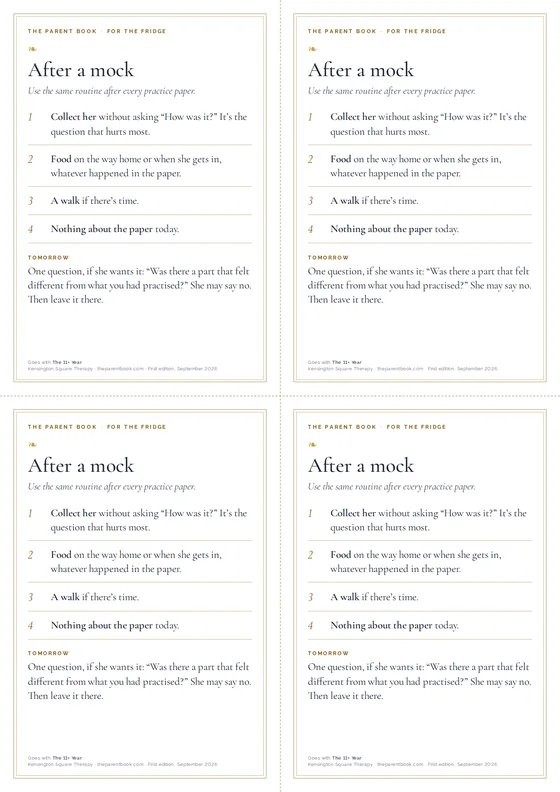 After a mock
For the fridge · A4, four cards to cut · With a subscription
After a mock
For the fridge · A4, four cards to cut · With a subscription
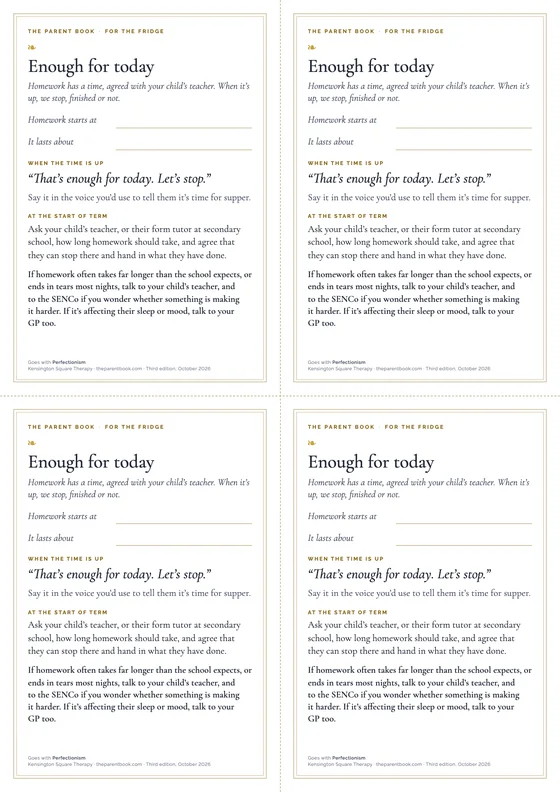 Enough for today
For the fridge · A4, four cards to cut · With a subscription
Enough for today
For the fridge · A4, four cards to cut · With a subscription
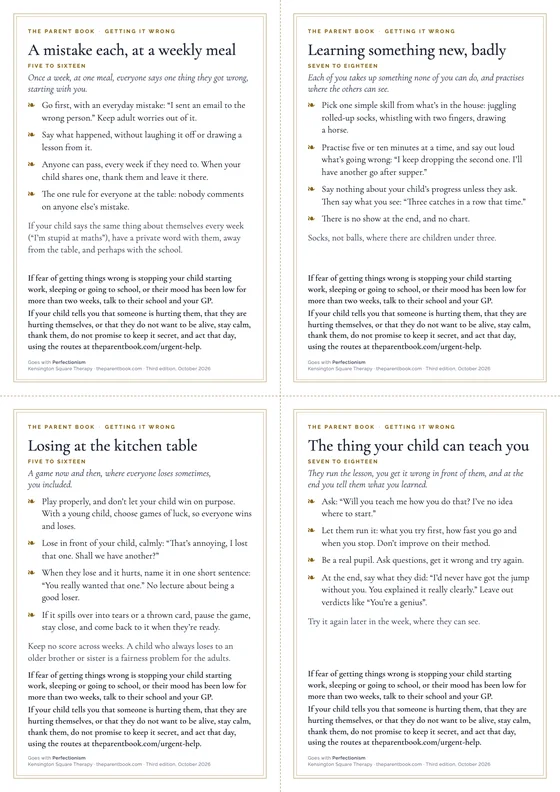 Getting it wrong
Cards to cut out · A4, four cards to cut · With a subscription
Getting it wrong
Cards to cut out · A4, four cards to cut · With a subscription
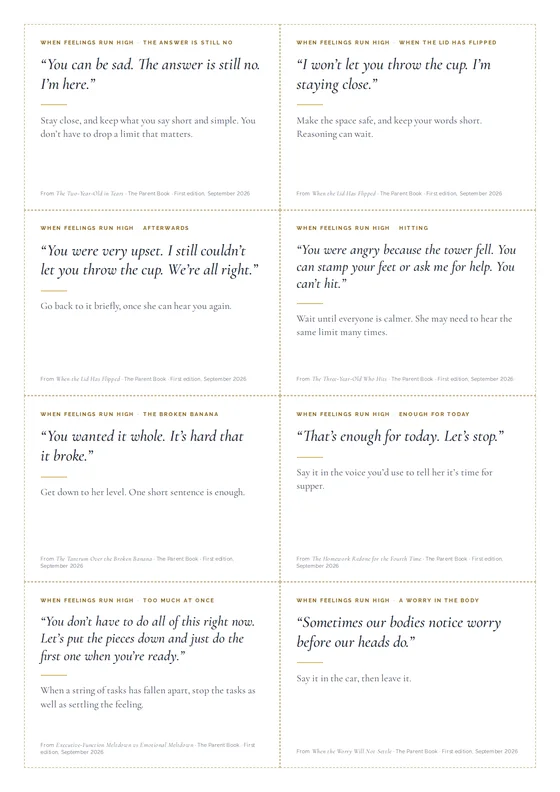 What to say: when feelings run high
Cards to cut out · A4, eight cards to cut · With a subscription
What to say: when feelings run high
Cards to cut out · A4, eight cards to cut · With a subscription
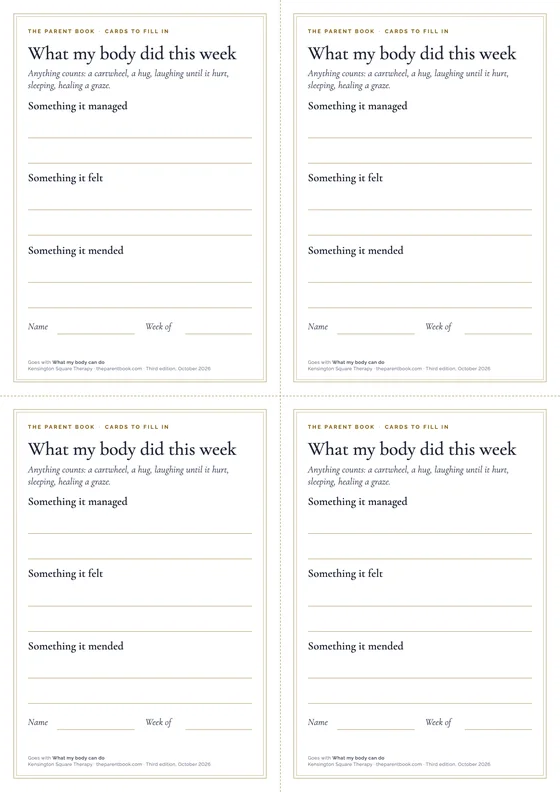 What my body can do
Cards to fill in · A4, two pages: four cards, and a page for you · With a subscription
What my body can do
Cards to fill in · A4, two pages: four cards, and a page for you · With a subscription
63 on self-esteem
Chosen by the therapists who write the library: books for you and to read with your child, and pages from organisations we trust.
Also on this shelf
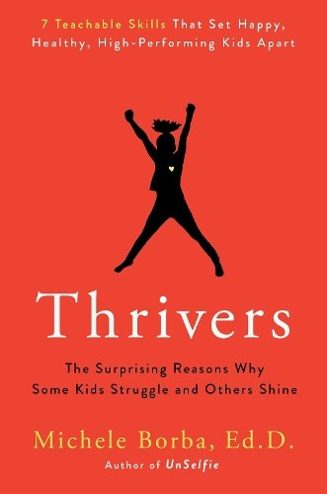
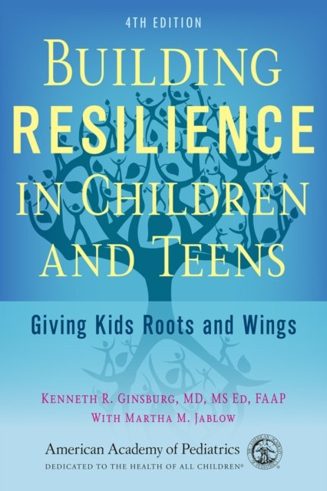
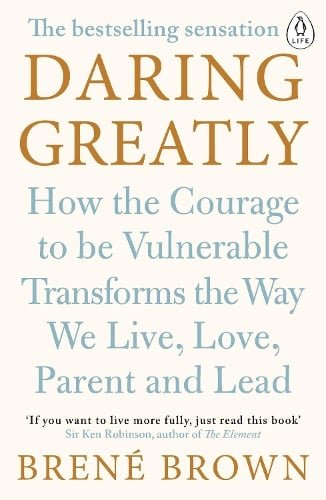
And 13 more. Every book on the shelf, with a therapist’s note on what it is good for, is in the library.
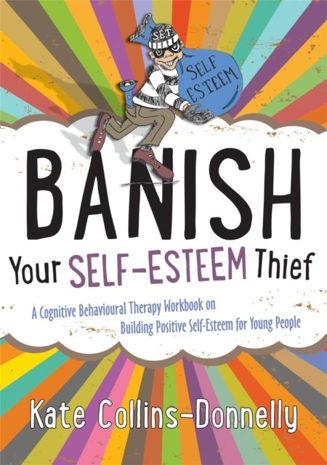
Also on this shelf
And 33 more. Every book on the shelf, with a therapist’s note on what it is good for, is in the library.
YoungMinds
What self-esteem is, what erodes it, signs a child is struggling, how to start a conversation, and how parents can model self-acceptance themselves.
Place2Be
Resilience as something children build through manageable struggle and a steady adult, not something they are born with, with activities to try.
Place2Be
How children pick up messages about bodies from adults and media, and ways to talk about food, exercise and appearance that protect their self-worth.
Child Mind Institute
On harsh self-talk and impossibly high standards: why some children run themselves down, how to respond with validation and realistic thinking, and when to seek help.
Place2Be
Types of peer pressure, why it peaks in Years 5, 6 and early secondary, and how listening without judgement helps when a child has given in.
Place2Be
For the child who tears up work over one mistake: the problems perfectionism brings, and how parents can praise effort, model making mistakes, and ease the pressure.
Place2Be
Why belonging matters so much to children, why some find it harder at school or after a move, and small things parents can do to help a child feel they fit.
Nothing on this shelf is written for that age yet.
16 on self-esteem
Podcast episodes, talks and films, each chosen for a reason.
Ask Lisa: Untangling Family Life
Why some children hold themselves to impossible standards, how to counter the harsh self-talk that comes with it, and when perfectionism tips into depression. Damour offers sample language parents can use.
Also on this shelf
Ask Lisa: Untangling Family Life
Speaking of Psychology
Talking Sense with Dr Martha
Dr Eileen Kennedy-Moore
And one more. Every episode on the shelf, with a therapist’s note on what it is good for, is in the library.
YouTube · 3 min
Child Mind Institute, YouTube
What to do when a child keeps saying “I’m stupid” or “I’m useless”: how to listen without arguing and help them find a kinder, more accurate way to talk to themselves.
Also on this shelf
TED · 10 min
Prof Carol Dweck, TED
YouTube · 19 min
Dr Kristin Neff, YouTube
YouTube · 6 min
Child Mind Institute, YouTube
YouTube · 2 min
Place2Be, YouTube
And five more. Every film on the shelf, with a therapist’s note on what it is good for, is in the library.
Nothing on this shelf is written for that age yet.
This usually starts at school rather than at the surgery. The adults who see your child every day are the first people to tell, and often the fastest route to a change. The GP is there if it persists or deepens.
Where to start
The pastoral lead, the head of year, or the form tutor. Free, already knows your child, and often the quickest way to get something changed at school.
Before or alongside anything else. A school cannot act on what it has not been told, and what you bring is often what it did not have.
The gateway to everything the NHS offers a child: paediatric assessment, a referral to CAMHS, and support for you as the parent.
Ask for a double appointment. Describe the pattern over weeks rather than the worst single day, and say plainly what you are worried about. Bring a written list; the ten minutes go quickly.
A registered counsellor or psychotherapist, found through the BACP or NCPS directories. Waiting lists are shorter than the NHS and you choose who your child sits with.
When waiting is the problem, or when you want a particular kind of help. What to look for, and what to expect, is set out in our guide to finding a therapist.
For self-esteem
The UK’s young people’s mental health charity, with a free Parents Helpline, webchat and email, and a plain A to Z of the things parents worry about.
When you want to talk through a worry about your child with someone who has heard it before, or read a clear first explanation of a named concern. Not a crisis line.
Parents Helpline 0808 802 5544 · Mon, Thu, Fri 9.30am-4pm; Tue, Wed 9.30am-6pm · Webchat Mon-Fri 9.30am-4pm; email parents@youngminds.org.uk · Outside those hours the parents line is closed. The urgent routes on this page are open when it is not.
Parenting Smart, written by the child mental health specialists who work in primary schools: short, practical articles and films on friendships, behaviour, worries and routines.
For a child of five to eleven, when you want something you can read in ten minutes and try tonight. Place2Be’s counselling itself is only through partner schools.
A free one-to-one webchat with a trained parenting coach, and a library of articles by age on behaviour, sleep, neurodiversity and family life.
When you want to talk it through with someone in writing, this week, without a referral.
Free one-to-one webchat with a parenting coach, Mon-Fri, with evening slots on Mon and Thu; check the site for current times · Parent Talk+ by phone or video for parents of children with additional needs, up to eight free sessions
Every organisation for self-esteem, and when each is the right call Finding a therapist